
If you’re considering chiropractic care for low back pain in Hopkins or Minnetonka, you’ve likely heard a lot of conflicting information. The most common and misleading claim is that manipulation is needed to “put your spine back into alignment.” At Redbird Wellness, we want to clear the air. Spinal manipulation does not correct alignment. That’s not how it works, and that’s not why it’s effective. Let’s talk about what it actually does and why it can be a powerful tool for recovery.
What We’re Actually Doing: A Targeted System Reset
Think of your nervous system as your body’s software, and your joints, muscles, and ligaments as the hardware. When you have low back pain, the software is often stuck in a loop that is sending constant “danger” signals that cause muscles to guard, joints to stiffen, and pain to persist.
A spinal manipulation is a controlled force applied to a region of your spine (like the lower lumbar or pelvic area). We don’t chase a single “misaligned” bone; research shows it’s very difficult to isolate a single spinal segment, and the body doesn’t move that way. Instead, we target a general area of stiffness.
The goal is a “software reset.” The rapid motion and the joint’s natural release (the “pop” or cavitation) create a wave of new sensory information that floods the nervous system.
This can:
- Disrupt the pain feedback loop, providing immediate relief.
- Reduce muscle guarding and spasm by calming overactive nerves.
- Restore the perception of motion in a stiff region, breaking the feeling of being “locked up.”
And the “pop” is not needed for a manipulation to be effective. It’s all about the input from the force applied. The “pop” just feels good and we love to get both, but it’s not a sign of effective manipulation.
Why Low Back Pain Often Feels Mechanical, Even When It’s Neurological
Many people with low back pain describe it as feeling “structural,” “out of place,” or “unstable.” What’s often happening instead is neurological. When joints lose normal motion or muscles become protective, the nervous system increases its output to the area. This heightened sensitivity can create powerful sensations of stiffness, pressure, or fragility, even when the spine itself is stable and strong. Spinal manipulation works by changing how the nervous system interprets movement and threat, not by physically repositioning bones.
Why the “Alignment” Myth is Problematic
Focusing on “alignment” creates several problems. It implies your pain is due to a structural flaw that only a provider can fix, making you dependent on care. It also doesn’t match the evidence, which shows people have vast variations in spinal alignment with no pain at all.
Our approach is different. We view manipulation as a key initial step to decrease sensitivity, improve mobility, and to change the software’s response. This creates a critical window of opportunity where your tissues are less guarded and painful. It’s in this window that the real work begins.
What Spinal Manipulation Does Not Do
It’s just as important to understand what manipulation doesn’t do. It does not “fix” discs, erase arthritis, correct posture, or permanently stabilize the spine. Expecting those outcomes often leads to frustration and confusion. Instead, spinal manipulation improves access to motion, reduces sensitivity, and creates an environment where the body can adapt. When paired with appropriate loading and movement strategies, those changes can become lasting.
Why Low Back Pain Can Improve Quickly, And Still Come Back
A common experience with low back pain is feeling better after treatment, only to have symptoms return days or weeks later. This doesn’t mean manipulation “didn’t work.” It means the nervous system reset occurred, but the body hasn’t yet learned how to maintain that change. Without follow-up strategies that build strength, coordination, and tolerance, the system often reverts to protective patterns. This is why manipulation alone is rarely enough for long-term relief.
Manipulation is the Start, Not the Finish
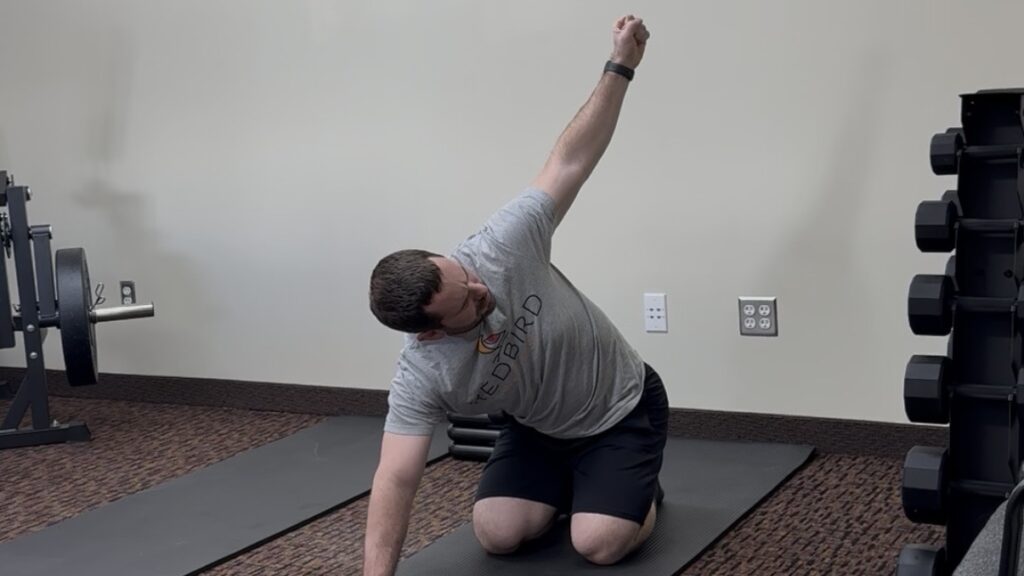
At our Hopkins clinic, manipulation is never the whole plan. It’s the catalyst. By using this reset, we can then effectively integrate other therapies:
- Myofascial release (MRT/Cupping) to address the physical “hardware” tension in the connective tissue.
- Rehabilitative exercise to teach your body, and your newly reset software, how to use your strength more efficiently and build resilient movement patterns that prevent the pain from returning.
This integrated approach ensures we’re not just chasing a temporary change in feeling, but building a foundation for lasting function.
Low Back Pain, Movement Confidence, and Fear Avoidance
When low back pain persists, the brain often begins associating certain movements (bending, lifting, twisting) with danger. This creates fear-based avoidance, which ironically increases stiffness and sensitivity over time. Spinal manipulation can help reduce this threat response, but true recovery happens when movement is gradually reintroduced in a controlled, confident way. Education and guided rehab are essential for breaking this cycle.
Why Some People Love Manipulation And Others Are Hesitant
Some patients seek spinal manipulation because of the immediate relief and sense of release it provides. Others are hesitant due to fear, uncertainty, or previous experiences. Both perspectives are valid. At Redbird Wellness, manipulation is never forced or required. It’s one tool among many, used when it aligns with your presentation, comfort level, and goals. Low back pain care should always be collaborative, not prescriptive.
Who Benefits Most From Spinal Manipulation for Low Back Pain
Spinal manipulation is often most helpful for people whose low back pain includes stiffness, restricted movement, or a feeling of being “stuck.” It can also be valuable during acute flare-ups to calm the system before progressing into active care. For others, different tools may take priority first. The key is matching the intervention to the individual, not forcing a technique to fit a diagnosis.
The Redbird Difference: Clarity Over Mystery
We believe in demystifying your care. You won’t hear us talk about putting bones back in place. You will hear us talk about calming down your nervous system, reducing regional stiffness, and creating the conditions to build a stronger and more robust spine.
If you’re in St. Louis Park, Eden Prairie, or the wider western metro and are tired of low back pain, we offer a clear, evidence-based path forward. It starts with an accurate understanding of the tools we use.
What “Living With It” Actually Costs You
Accepting chronic low back pain as inevitable often leads to reduced activity, disrupted sleep, loss of confidence, and avoidance of meaningful experiences. Over time, pain becomes less about the back itself and more about the life you stop living. Challenging this narrative early allows people to re-engage with movement, work, and recreation before pain becomes the primary decision-maker.
Ready for a different approach to low back pain? Schedule a visit at Redbird Wellness to see how our “software reset” strategy can help you find relief and regain your active life.
