
A Targeted Approach for Nerve and Disc Pressure
Spinal decompression at Redbird Wellness is a specialized, passive therapy designed to gently create space within the spine.
Spinal decompression focuses on reducing mechanical stress within the spinal column by temporarily separating vertebral segments. When discs or nerves are under sustained pressure, symptoms such as pain, numbness, tingling, or weakness may develop. This technique is designed to address those pressure-related contributors in a controlled and supportive way.
What Is Spinal Decompression?
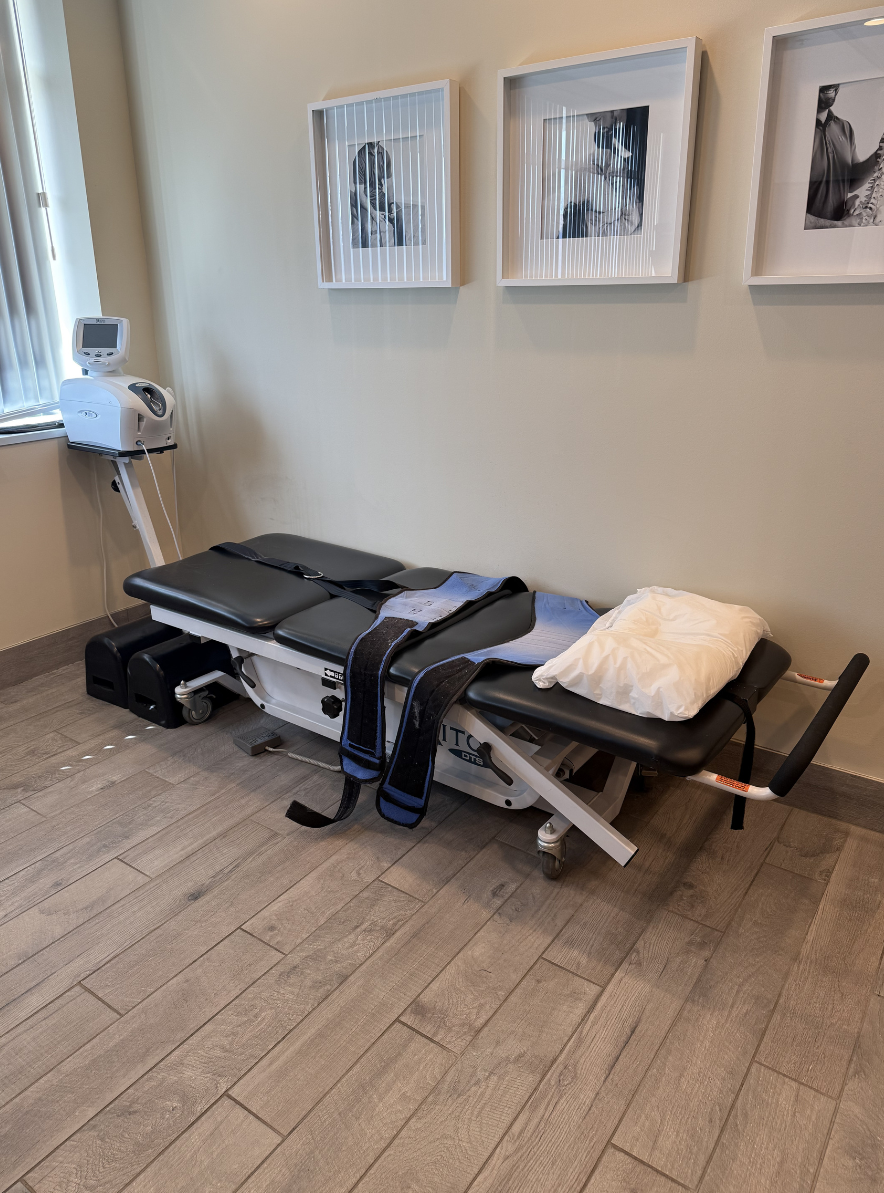
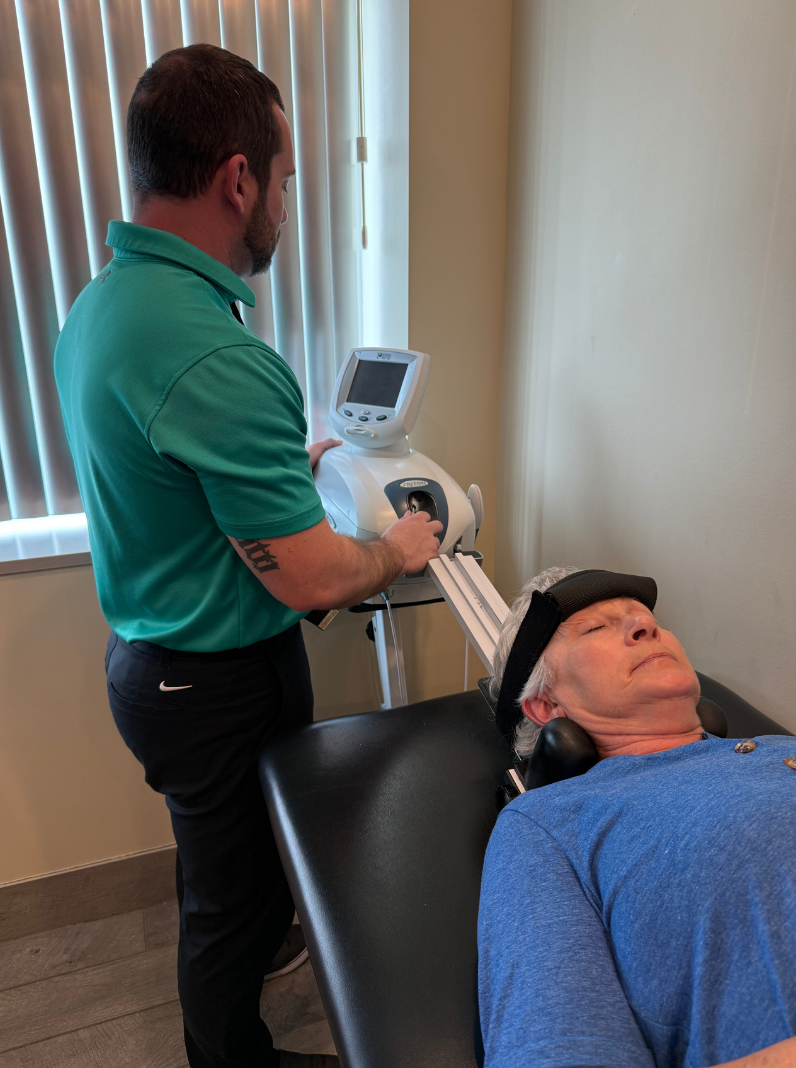
By using a controlled, motorized pull on a specialized table, the treatment aims to reduce mechanical pressure on spinal discs and irritated nerves.
The decompression table allows for precise control over force, angle, and duration, ensuring the treatment remains gentle and responsive to your tolerance. Rather than forcing change, spinal decompression works by gradually unloading the affected spinal segments.
The sensation is often described as a deep, relieving stretch through the spine, which can provide significant relief from radiating pain, numbness, or tingling caused by disc bulges or nerve root compression.
Many patients report a sense of decompression or lightness during and after treatment, particularly in areas that previously felt compressed or restricted.
How Spinal Decompression Helps Reduce Symptoms
When pressure within the spine is reduced, several beneficial changes can occur. Decreased disc pressure may allow improved nutrient exchange within the disc itself, while reduced nerve irritation can help calm pain signals traveling to the brain.
By lowering mechanical stress, spinal decompression helps create an environment where irritated tissues can settle and symptoms can become more manageable.
Why Spinal Decompression Is a Passive Tool
It's important to understand that decompression is a powerful tool within a larger strategy, not a standalone solution.
Spinal decompression does not require active effort from the patient, which makes it especially helpful during periods of high pain or nerve sensitivity. However, because it is passive, its effects are best supported by additional therapies that reinforce movement and stability.
The Importance of an Integrated Approach
Because it is a passive treatment, we almost always combine it with our active, hands-on approaches like manipulation, IASTM, or dry needling.
These techniques address joint motion, muscle tone, and tissue sensitivity that decompression alone cannot fully resolve. Combining approaches allows us to treat both the pressure within the spine and the surrounding structures that influence how that pressure developed in the first place.
This integrated method allows us to not only create space in the joint but also address the surrounding muscle tension and joint dysfunctions that contribute to the overall problem.
By layering treatments, we can improve movement quality, reduce protective guarding, and support more efficient load distribution throughout the spine.
Using Spinal Decompression to Support Rehab Exercise
The goal is to use decompression to create a window of reduced pressure and pain, making your active rehab exercises far more effective in building long-term resilience.
When pain and nerve irritation are reduced, it becomes easier to move, strengthen, and retrain patterns that may have contributed to symptoms. Spinal decompression helps lower the barrier to participation in rehab exercise, allowing active care to be introduced or progressed more comfortably.
This combination helps shift care from symptom management toward lasting functional improvement.
What Spinal Decompression Feels Like
Spinal decompression is typically described as comfortable and relaxing. Sessions involve cycles of gentle pulling and release rather than sustained traction. You remain fully clothed and supported throughout the treatment.
Some individuals experience mild soreness afterward, similar to what you might feel after stretching. This usually resolves quickly and reflects normal tissue response.
Who May Benefit From Spinal Decompression
Spinal decompression is commonly used for individuals experiencing radiating pain, disc-related symptoms, nerve sensitivity, or discomfort that worsens with compression or prolonged positions. It may be helpful for both acute flare-ups and more persistent presentations.
A thorough assessment is always performed to ensure decompression is appropriate for your specific condition and health history.
A Thoughtful Approach at Redbird Wellness
At Redbird Wellness, spinal decompression is applied with clinical reasoning and intention. We monitor your response carefully and adjust treatment parameters as needed to prioritize comfort and effectiveness.
Our goal is not simply to create temporary relief, but to use spinal decompression strategically as part of a comprehensive plan that helps you move better, feel better, and build resilience over time.


Target Disc and Nerve Pressure Strategically
Spinal decompression is one tool in a plan designed to help you move and function better.