




Finding the Source Beyond the Wrist and Elbow
If you're feeling numbness in your hands or a sharp pain on the inside or outside of your elbow, you've likely been given generic advice that hasn't solved the problem.
Carpal tunnel, tennis elbow, and golfer’s elbow are commonly treated as isolated conditions. However, focusing only on the wrist or elbow often overlooks the broader movement patterns that place excessive strain on these tissues.
Why Wrist and Elbow Pain Often Persists
Telling someone with carpal tunnel to just "stretch their wrists" or someone with tennis elbow that they "need a strap forever" misses the bigger picture.
While these strategies may temporarily reduce symptoms, they rarely address why the tissue became irritated in the first place. Pain in the arm often reflects how force is transferred from the shoulder, through the elbow, and into the wrist and hand.
At Redbird Wellness, we know the pain in your wrist or elbow is often the endpoint of a chain reaction that starts higher up.
Understanding Carpal Tunnel Beyond the Wrist
Carpal tunnel symptoms such as numbness, tingling, or weakness in the hand are commonly associated with irritation of the median nerve. While this nerve passes through the wrist, it is influenced by movement and tension throughout the entire arm and neck.
The true source of the issue frequently lies in how your shoulder and thoracic spine are moving, which places excessive strain down the arm.
Restricted motion or poor control in the upper back and shoulder can increase tension through the forearm and wrist, contributing to nerve irritation over time.
Tennis Elbow and Golfer’s Elbow: More Than Tendon Pain
Tennis elbow typically presents as pain on the outside of the elbow, while golfer’s elbow affects the inside. Both involve tendon irritation caused by repetitive loading and inefficient force transfer through the arm.
When shoulder strength, scapular control, or thoracic mobility is limited, the elbow often compensates. Over time, this compensation can overload the tendons that attach at the elbow.
A Whole-Chain Assessment Approach
Our assessment is designed to find the true driver of your symptoms.
A key question we ask is: does moving your neck or shoulder reproduce the pain or numbness in your wrist or elbow?
This question helps us determine whether symptoms are being driven locally or referred from another area. Movement-based testing provides critical insight that static exams often miss.
By looking at the entire kinetic chain, we can move beyond just treating the symptoms and start addressing the factors that are causing the overload.
Targeted Treatment for Local Symptoms
Your treatment plan is tailored to this discovery.
For the local pain, we may use dynamic cupping to decompress the tissues of the forearm and wrist for carpal tunnel, or MRT to address the thick connective tissue at the elbow for tendon pain.
These techniques help reduce tissue sensitivity, improve circulation, and restore healthier movement between tissue layers. This often leads to reduced pain and improved tolerance for activity.
Rehab Exercise: The Core of Recovery
However, the core of recovery involves rehabilitative exercise for both conditions to build resilient, efficient movement patterns.
Rehab exercise is essential for restoring strength, coordination, and load tolerance throughout the arm. Rather than isolating the wrist or elbow, exercises focus on integrating the shoulder, elbow, and hand into efficient movement patterns.
This approach helps ensure that improvements gained during hands-on care are maintained during daily activities, work, and sport.
Addressing the Source: Shoulder and Upper Back Care
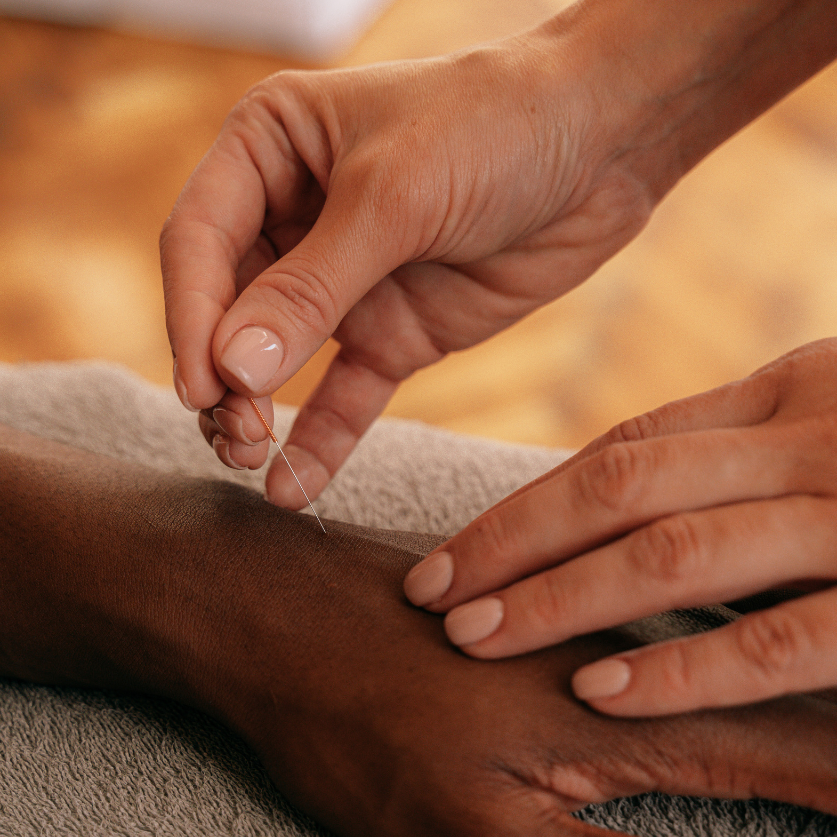
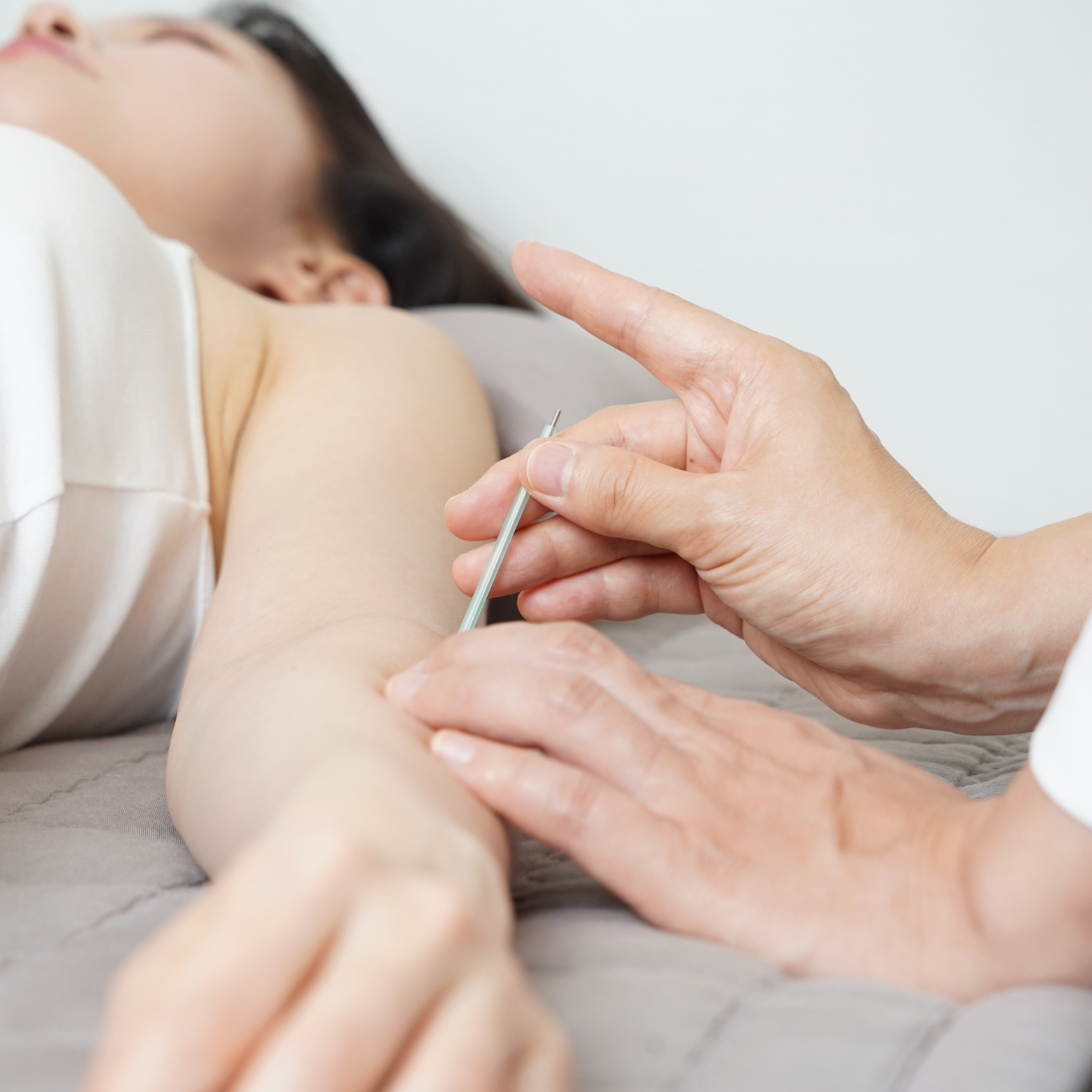
To address the source of the problem, we use our full suite of therapies including manipulation, dry needling, and IASTM on the shoulder and upper back to restore proper motion and take the strain off your arm for good.
Improving motion and control in the thoracic spine and shoulder reduces the compensatory demands placed on the elbow and wrist. This redistribution of load is key to long-term symptom resolution.
Breaking the Cycle of Chronic Arm Pain
Carpal tunnel, tennis elbow, and golfer’s elbow often persist when treatment focuses only on the painful area. By restoring movement efficiency throughout the entire kinetic chain, the body no longer needs to rely on overloaded tissues.
This comprehensive approach helps prevent recurrence and supports durable recovery rather than short-term relief.
A Thoughtful Approach at Redbird Wellness
At Redbird Wellness, carpal tunnel and elbow pain are treated with clarity, intention, and individualized care. We respect the complexity of these conditions and adapt treatment as your body responds.
Our goal is to help you move, work, and perform without numbness, pain, or hesitation; restoring confidence in your arm and hand function.
Find lasting comfort for your hands and arms
Schedule an evaluation with our team to explore your treatment options.