

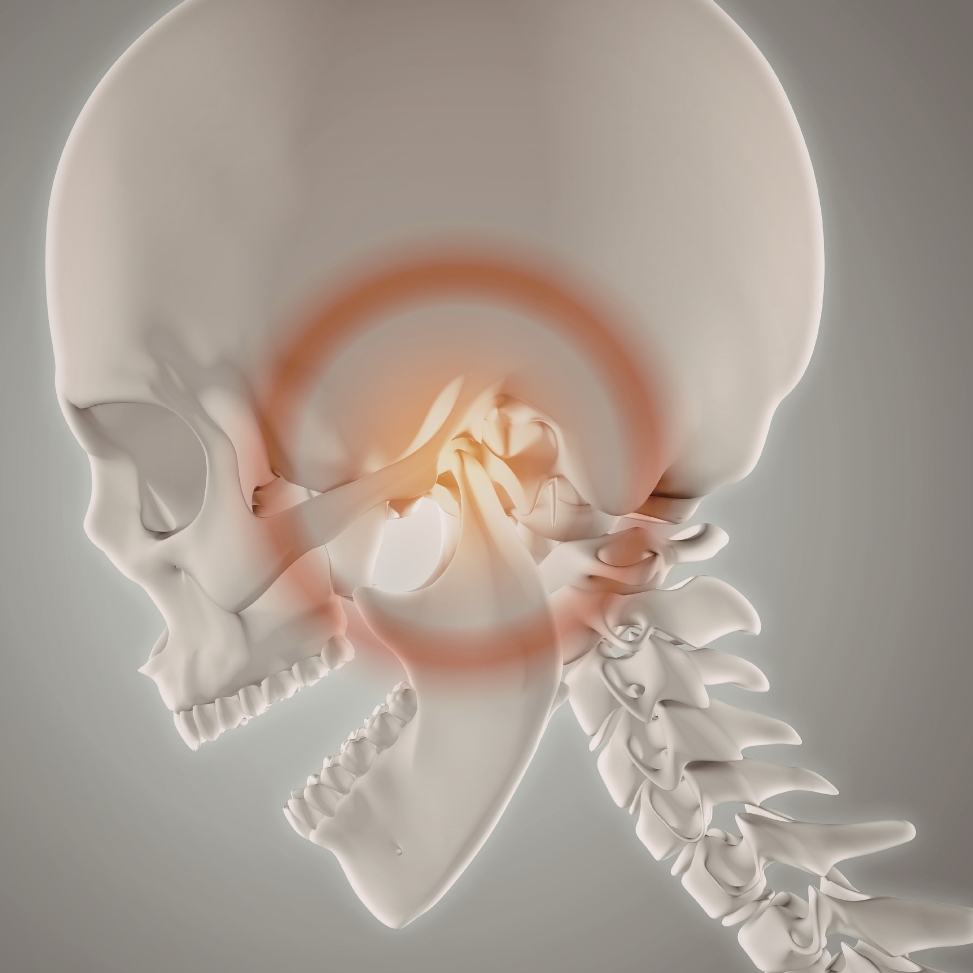


Addressing the Mechanical Link to Pain
If you suffer from chronic tension headaches, migraines, or jaw pain (TMJ), you’ve likely been told it’s “just stress” or something you have to live with.
Headaches, migraines, and TMJ disorders are often grouped together because they frequently overlap in symptoms and triggers. While they can feel complex and unpredictable, many of these conditions share a common mechanical component that is frequently overlooked.
Why Headaches, Migraines, and TMJ Are Often Misunderstood
At Redbird Wellness, we know that’s not the whole story.
While stress and other factors play a role, a significant and often overlooked contributor is mechanical irritation.
Mechanical irritation refers to how joints, muscles, and connective tissue move, load, and respond to stress. When certain structures become stiff, overloaded, or hypersensitive, they can send persistent pain signals that contribute to headaches, migraine episodes, or jaw pain.
Our focus is on finding and treating the physical sources of your pain, or most commonly trigger points in the muscles of your head, neck, and jaw, and stiff joints in your upper spine.
Understanding Mechanical Contributors to Headaches
Tension-type headaches are often linked to sustained muscle tension in the neck, shoulders, and upper back. These muscles can develop trigger points that refer pain into the head, temples, or behind the eyes.
When upper cervical and thoracic joints become stiff, surrounding muscles may work harder to compensate, increasing tension and sensitivity. Addressing these mechanical contributors can significantly reduce headache frequency and intensity.
Migraines: More Than Just a Neurological Condition
Let’s clarify a few things upfront.
You can’t “sleep wrong” and cause long-term damage.
Poor sleep positions may aggravate symptoms temporarily, but they do not cause structural damage or permanent dysfunction.
And while migraines are complex with many potential triggers, for many, mechanical tension in the neck and shoulders is a primary driver of their pain episodes.
For some individuals, sustained muscle tension and joint restriction can lower the threshold for migraine attacks. Reducing this mechanical stress may help decrease how often migraines occur or how severe they feel.
TMJ and Jaw Pain: It’s Not Just the Jaw
TMJ-related pain often involves more than the jaw joint itself. Muscles that control chewing, speaking, and clenching are closely connected to the neck and upper spine. When these areas are restricted or overactive, jaw pain can persist or worsen.
We often find that the problem isn’t just in your head or jar but it’s also how your shoulders and ribcage are moving, which creates a chain of tension up into your neck.
Limited motion or poor coordination in the shoulders and ribcage can increase strain on the neck and jaw, reinforcing pain patterns over time.
How We Treat Headaches, Migraines, and TMJ
Our most effective treatments for these conditions directly target this tension.
Dry needling is often our first choice to precisely release the trigger points in your jaw, neck, and shoulder muscles that refer pain into your head.
This targeted approach allows us to calm overactive muscles and reduce pain signals being sent to the nervous system.
We then use chiropractic manipulation to restore motion to the stiff spinal joints that contribute to the problem.
Improving joint motion helps reduce compensatory muscle tension and supports healthier movement patterns through the neck and upper back.
Rehab Exercise: Supporting Lasting Change
Finally, rehabilitative exercise helps you build the strength and movement patterns to support your neck and jaw, addressing the factors that often fuel the cycle of pain.
Rehab exercise focuses on improving posture tolerance, neck stability, shoulder control, and breathing mechanics. These elements help distribute load more evenly and reduce strain on the jaw and cervical spine.
By reinforcing these changes through movement, treatment becomes more sustainable rather than temporary.
Breaking the Cycle of Chronic Pain
Headaches, migraines, and TMJ pain often persist because the body becomes stuck in a cycle of tension, sensitivity, and protective movement patterns. Addressing only one piece, such as stress or symptoms, rarely leads to lasting relief.
By identifying mechanical contributors and restoring efficient movement, the nervous system can gradually reduce its threat response, allowing pain to settle over time.
A Thoughtful, Individualized Approach at Redbird Wellness
At Redbird Wellness, headaches, migraines, and TMJ disorders are treated with clarity and intention. We assess how your head, neck, jaw, shoulders, and ribcage work together rather than focusing on a single symptom in isolation.
Our goal is not just fewer headaches or less jaw pain, but improved confidence in your body’s ability to move, tolerate stress, and recover.
Ready for quiet days and pain-free nights?
Reach out to our team to discover how we can help you find lasting relief.