
Finding Lasting Relief by Addressing the Source
If you're struggling with low back pain or the shooting, burning, or numbness of sciatica, you've likely been given a lot of confusing, and often incorrect, advice.
Low back pain and sciatica are two of the most common reasons people seek care, yet they are frequently misunderstood. While they often occur together, they are not the same condition and should not be treated the same way. Understanding the difference is an important first step toward lasting relief.
Why Low Back Pain and Sciatica Are Often Misunderstood
At Redbird Wellness, we cut through the noise.
Many people are told their pain is caused by vague explanations like “misalignment,” “degeneration,” or “weak muscles.” These labels can be misleading and often create unnecessary fear. Pain is rarely that simple, especially when it involves the low back or nerve-related symptoms.
Our first priority is to identify the specific, irritated tissues causing your pain.
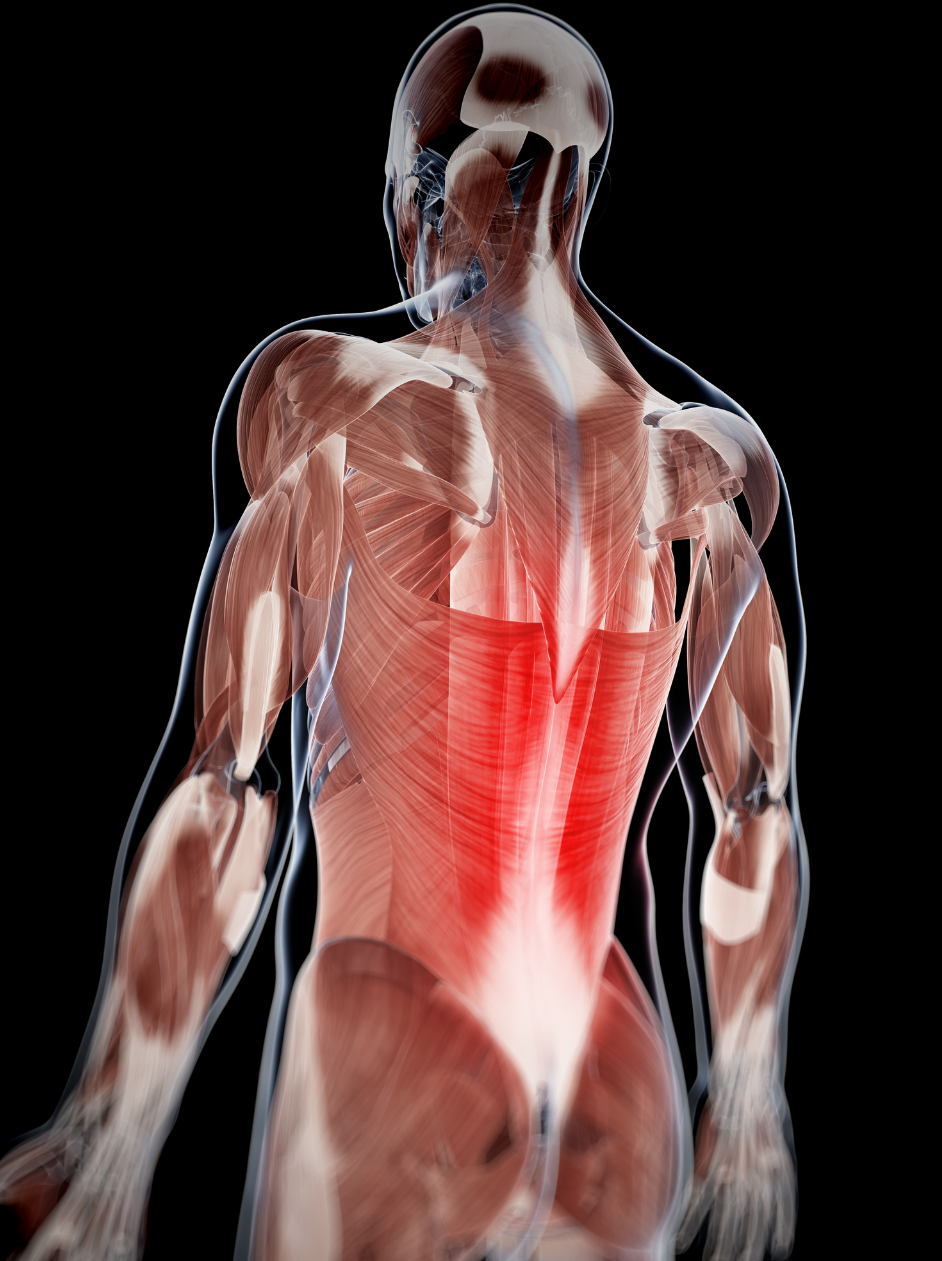
Low back pain may originate from spinal joints, discs, muscles, connective tissue, or a combination of these structures. Sciatica, on the other hand, typically involves irritation of the sciatic nerve or the nerve roots that form it. Identifying which tissues are involved allows treatment to be targeted rather than generic.
A Motion-Based Approach to Finding the Source
Is it a spinal joint, a disc, or a muscle?
Using a thorough, motion based assessment, we move beyond generic labels to find the true source of your problem, because effective treatment starts with an accurate discovery.
Movement reveals information that imaging alone cannot. By observing how your spine, hips, and nervous system respond to specific motions, we gain insight into what is driving your symptoms and what is simply an adaptation. This allows care to be precise and purposeful.
Common Myths About Low Back Pain and Sciatica
Let's clear up a few common myths.
First, your hips and spine are not "out of alignment" in the way many people claim.
Your spine and hips are dynamic structures designed to move, not static parts that fall “out of place.” Pain is far more often related to how joints move and tolerate load rather than their position.
Second, seeing "degeneration" or "arthritis" on an X-ray does not doom you to a life of pain.
These findings are common and often appear in people without symptoms. Imaging changes do not automatically equal pain, and they should not define your expectations for recovery.
And third, your muscles are not "shut off" or "sleepy.”
They are often inhibited by pain and simply need the right stimulus to work efficiently again.
Pain can temporarily change how muscles activate, but this is a protective response, not a permanent failure. With the right input, muscles can regain strength, coordination, and confidence.
The Role of the Hips in Low Back Pain
We often find that pain in the low back is closely tied to a lack of motion in the hips, creating a chain reaction of strain.
When the hips do not move well, the low back is often forced to compensate. Over time, this extra demand can irritate joints, overload muscles, and increase stress on spinal structures. Restoring hip motion is frequently a key component in resolving persistent low back pain.
Understanding Sciatica and Nerve-Related Pain
Sciatica typically presents as pain, burning, tingling, or numbness that travels from the low back into the buttock, thigh, or leg. These symptoms are often related to irritation of a nerve root rather than damage to the nerve itself.
Reducing pressure, calming irritated tissues, and restoring normal movement patterns are central to addressing sciatica effectively. Fear-based approaches that focus solely on “protecting” the nerve can actually slow recovery.
How We Treat Low Back Pain and Sciatica
Your treatment plan is designed to break this cycle.
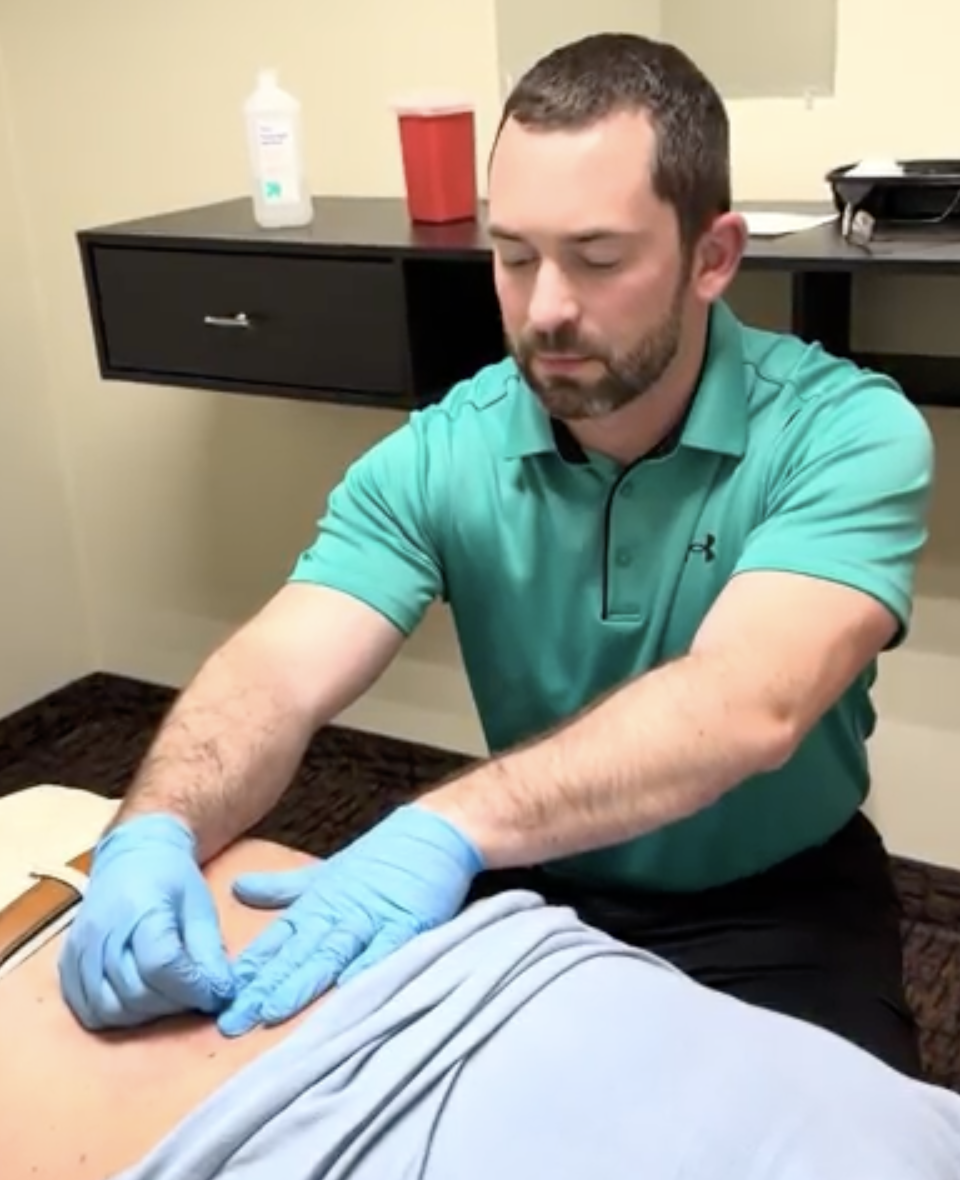
We may use chiropractic manipulation to restore motion to stiff spinal joints, combined with dynamic cupping to release deep low back tension or dry needling to calm down the muscles referring to pain down your leg.
These hands-on techniques are selected based on how your body responds during assessment. Each tool serves a specific purpose, whether that is improving joint motion, reducing muscle sensitivity, or decreasing nerve irritation.
This hands on care creates the opportunity for healing, which we then solidify with rehabilitative exercises designed to restore hip motion and build resilient strength.
Rehab exercise helps ensure that improvements gained during treatment carry over into daily life. Strength, coordination, and movement tolerance are gradually rebuilt so relief is not short-lived.
Moving Beyond Pain Relief
Our goal isn't just to relieve your pain, but to empower you with the movement and confidence to get back to your life.
Long-term improvement requires more than symptom reduction. It involves restoring trust in your body, improving how it handles load, and reducing fear around movement. This approach supports resilience rather than reliance on ongoing care.
A Thoughtful Approach at Redbird Wellness
At Redbird Wellness, low back pain and sciatica are addressed with clarity, intention, and individualized care. We focus on understanding your symptoms, not just managing them.
By combining accurate assessment, targeted hands-on care, and progressive rehab exercise, we help you move forward with confidence and control.


You don't have to live with back pain
Take the first step toward a more comfortable life by scheduling a consultation with us today.