
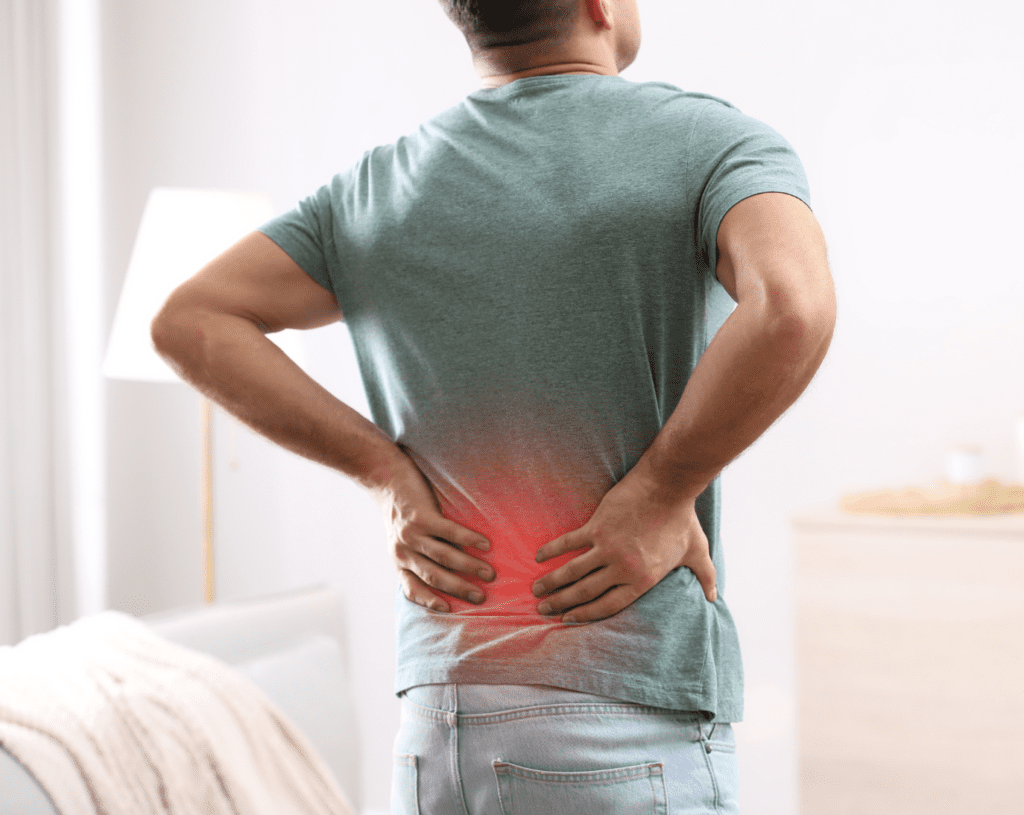
If you’re over 30 and have low back pain, you’ve likely received this well intentioned but ultimately harmful diagnosis: “It’s just arthritis,” or “You’re not getting any younger.” At Redbird Wellness in Hopkins, we hear this story daily from patients in Minnetonka, St. Louis Park, and Eden Prairie. This mindset is one of the biggest barriers to recovery. It creates resignation, fuels fear of movement, and stops people from seeking real solutions. Let’s destroy this myth right now.
The Myth That Steals Your Agency: “It’s Just Wear and Tear”
Seeing terms like “degeneration,” “arthritis,” or “bone spurs” on an X-ray or MRI report can be terrifying. It’s often framed as an irreversible, progressive decline that becomes a life sentence of pain. Here’s the truth the imaging report won’t tell you: these findings are incredibly common, even in people with ZERO pain.
They are often a normal part of the adaptation process, like getting wrinkles or gray hair. They do not predetermine your pain level or function. The problem isn’t the “wear and tear” itself, but how the surrounding, living tissues in your muscles, joints, and nerves are reacting to it and functioning day to day. Blaming pain solely on a picture gives you no path forward. We focus on what we can change. Your movement, your strength, and your pain.
Why Low Back Pain Feels Worse After 30 (And Why That’s Misleading)
Many people notice low back pain becoming more persistent in their 30s and 40s, not because their spine is suddenly “breaking down,” but because life demands change. Work becomes more sedentary, recovery time shrinks, stress increases, and movement variety decreases. Your tissues adapt to what you do most often. When movement options narrow, the low back is frequently asked to compensate, and pain follows. This is not a failure of your spine; it’s a signal that your system needs better input.
Pain Is Not Damage: Understanding the Nervous System’s Role in Low Back Pain
Low back pain is not just a structural issue, it is heavily influenced by your nervous system. When pain persists, your brain and spinal cord can become hypersensitive, amplifying discomfort even when tissues are not being actively injured. This explains why pain can fluctuate day to day, worsen with stress, or feel severe despite “mild” imaging findings. Effective care addresses both tissue health and nervous system sensitivity, restoring confidence in movement rather than reinforcing fear.

The Redbird Process: Building Function at Any Age
We apply the same proven, 3-step discovery process to low back pain that we use for all complex conditions. Age and imaging findings don’t change the process.
- Identify the Irritated Tissues: Is your pain coming from a stiff spinal joint, a protective muscle spasm, or an irritated nerve? Through a detailed, motion-based assessment, we look past the “arthritis” label to find the specific, treatable sources of your current pain.
- Understand Your Pain Triggers: What specific movements (bending, sitting, walking) are currently problematic? Understanding this allows us to build a smart plan that respects your pain while actively improving your capacity.
- Look at the Entire Chain: Pain labeled as “arthritis” is often made worse by weaknesses or stiffness elsewhere. Do you have stiff hips that force your lumbar spine to overwork? We look above and below to build a complete picture.
Why Rest Alone Doesn’t Fix Low Back Pain
One of the most common recommendations for low back pain is rest. While short periods of relative rest can be helpful during acute flare-ups, prolonged avoidance of movement often worsens outcomes. Muscles decondition, joints stiffen, and the nervous system becomes more protective. Over time, this creates a cycle where normal activities feel increasingly threatening. Strategic, progressive movement, not prolonged rest, is what restores function and resilience in the low back.
The Role of Core Strength (And Why Sit-Ups Aren’t the Answer)
Core strength is often discussed in relation to low back pain, but it’s frequently misunderstood. A strong core is not about bracing constantly or performing endless sit-ups. True spinal support comes from coordinated activation of the diaphragm, pelvic floor, deep abdominal muscles, and glutes. When these systems don’t work together, the low back absorbs excessive strain. Our approach focuses on restoring efficient coordination, not forcing rigid “stability” that limits natural movement.
How Hip Mobility Influences Low Back Pain
The hips are designed for large ranges of motion. When they become stiff from prolonged sitting, limited activity, or past injuries, that lost motion often transfers into the low back. Repeated bending, twisting, or lifting with restricted hips increases stress on lumbar joints and discs. Addressing hip mobility is a critical, often overlooked step in reducing chronic low back pain and preventing recurring flare-ups.
Our Evidence-Based Toolkit: Active Care, Not Passive Acceptance
Our goal isn’t to reverse arthritis; it’s to make it irrelevant. We build a personalized plan to improve your function and reduce your pain, regardless of what an X-ray shows.
- Chiropractic Manipulation: We restore motion to stiff spinal and pelvic joints. Improving how your joints move can drastically reduce pain and stiffness, even in arthritic joints.
- Dynamic Cupping & IASTM: We release tension in the thick connective tissue and muscles of your low back and hips, improving mobility and decreasing the compressive forces that aggravate symptoms.
- Rehabilitative Exercise: We prescribe specific exercises not to “fight aging,” but to help you use your strength more efficiently. Building resilient muscles and confident movement patterns is the best defense against pain.
- Supportive Therapies (Traction, E-Stim, Dry Needling): We strategically integrate spinal decompression to create space, electrical stimulation to calm muscles, and dry needling to release deep trigger points. These tools support your healing quest.
Why Flare-Ups Don’t Mean You’re Regressing
Many people interpret a flare-up of low back pain as proof that something is “wrong” or worsening. In reality, flare-ups are often part of the adaptation process as your body learns to tolerate new movement demands. Understanding this distinction is essential for long-term progress. With the right guidance, flare-ups become data points, not setbacks, helping refine your care plan and build long-term confidence.
Low Back Pain and Daily Habits You Don’t Think About
Low back pain is often influenced by small, repeated habits rather than one major injury. How you sit at work, how you load groceries, how you get out of bed, or how you manage stress all play a role. These habits shape tissue tolerance over time. Addressing them doesn’t require perfection, just awareness and gradual improvement. Sustainable change comes from realistic adjustments, not rigid rules.
What “Living With It” Actually Costs You
Accepting chronic low back pain as inevitable has real consequences: reduced activity, loss of confidence, poor sleep, and avoidance of meaningful experiences. Over time, pain becomes less about the back and more about lost freedom. Challenging this narrative early allows people to re-engage with movement, hobbies, and daily life before pain becomes the dominant driver of decisions.
Ready to Write a New Story About Your Back?
If you’re in the western metro and have been told to “just live with” your back pain because of your age or an X-ray, we offer a different path. Our goal is to help you regain control, reduce your pain through skilled care, and empower you with the knowledge that your body can adapt, strengthen, and feel better at any stage of life.
Don’t accept “getting old” as a diagnosis. Choose an active, hopeful plan for recovery. Schedule your comprehensive low back pain assessment at Redbird Wellness today.