



Myofascial Release Technique: Precise Pressure for Pain Relief and Tissue Remodeling
At Redbird Wellness, Myofascial Release Technique (MRT) is a skilled, hands on approach to address pain and mobility.
Myofascial Release Technique focuses on the connective tissue system that surrounds and supports muscles, joints, and nerves throughout the body. When this tissue becomes restricted or sensitized, it can limit movement, increase pain, and alter how forces are distributed during everyday activities. MRT is designed to address these restrictions with intention and precision.
What Is Myofascial Release Technique?
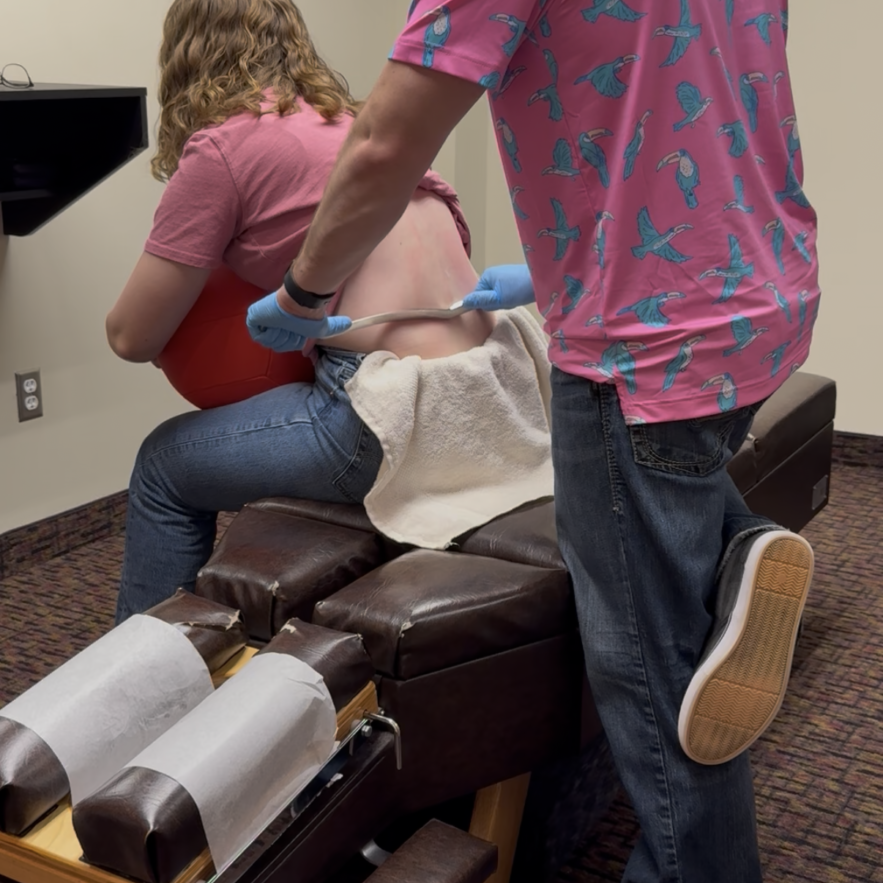
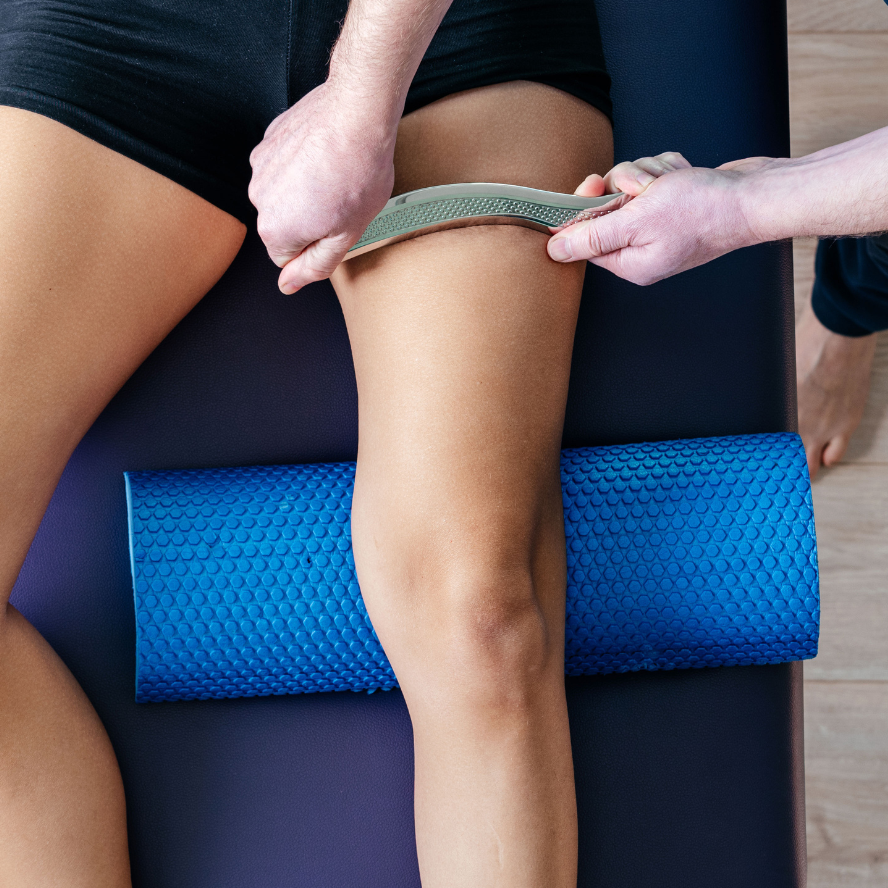
We view it as a form of Instrument-Assisted Soft Tissue Mobilization (IASTM) that works through the strategic application of pressure and tension.
Fascia is a continuous network of connective tissue that responds to load, stress, and movement over time. When it becomes stiff or adherent, it can contribute to pain, reduced mobility, and compensatory movement patterns. Myofascial Release Technique applies controlled pressure to help restore normal glide and elasticity within this system.
While some practitioners rely on aggressive "scraping," we prioritize a more nuanced approach.
MRT does not need to be forceful to be effective. In fact, overly aggressive techniques can increase sensitivity and cause the nervous system to guard against change. Our approach emphasizes precision, feedback, and tissue response rather than intensity.
Why We Start With Hands-On Assessment
We almost always begin with our hands to assess tension and apply gentle, targeted pressure to release the connective tissue.
Starting with hands-on contact allows us to feel subtle changes in tissue texture, temperature, and resistance. This information guides how much pressure is applied, where it is directed, and how quickly we progress. Manual assessment also helps ensure that treatment remains responsive rather than protocol-driven.
This builds trust with the tissue and allows us to decrease sensitivity and pain effectively before progressing.
When tissue feels safe, it is more willing to adapt. Reducing sensitivity first often leads to better outcomes and allows deeper work to be tolerated without triggering protective tension.
When and Why Tools Are Introduced
As your tolerance improves, we may incorporate specialized tools to apply more focused pressure.
These tools allow for greater precision and consistency when addressing denser or more stubborn areas of restriction. Instrument-assisted techniques can help deliver targeted load to the tissue while still respecting your comfort level.
This progression allows for deeper tissue remodeling, improved mobility, and improved elasticity.
Over time, fascia responds to appropriate mechanical input by reorganizing itself. This remodeling process supports smoother movement, better load transfer, and reduced strain on surrounding structures.
The Goal of Myofascial Release Technique
The goal of MRT is not to break down tissue, but to guide it toward a healthier, more resilient state.
Healthy fascia should be adaptable, hydrated, and capable of responding to changing demands. MRT works to restore these qualities rather than forcing change through pain or excessive pressure.
This distinction is important. Tissue that is coerced tends to revert back to its previous state. Tissue that is guided adapts more sustainably.
How MRT Fits Into a Comprehensive Care Plan
By combining this technique with our other services, we create a comprehensive plan to reduce your pain and help you move easier and more efficiently.
Myofascial Release Technique is most effective when integrated with movement-based care. Once tissue mobility improves, we can reinforce those changes through corrective exercises, strength training, and joint-based treatments. This layered approach helps ensure that gains made during treatment translate into everyday movement.
Rather than chasing symptoms, MRT supports the larger goal of improving how your body tolerates load, stress, and activity over time.
What Myofascial Release Technique Feels Like
Patients often describe MRT as a sensation of pressure, stretching, or gradual melting rather than sharp discomfort. Because treatment is progressed intentionally, sensations remain tolerable and responsive to feedback.
Some mild soreness or tenderness may occur following treatment, especially when deeper layers are addressed. This typically resolves within 24–48 hours and reflects normal tissue adaptation.
Who May Benefit From Myofascial Release Technique
Myofascial Release Technique is commonly used for muscle tightness, postural strain, overuse injuries, joint stiffness, and pain patterns that feel diffuse or difficult to localize. It can be especially helpful when movement feels restricted rather than unstable.
Because fascia connects multiple regions of the body, addressing restrictions in one area may lead to improvements elsewhere. Treatment is always guided by a thorough assessment to ensure it aligns with your specific presentation.
A Thoughtful Approach at Redbird Wellness
At Redbird Wellness, Myofascial Release Technique is applied with intention, clinical reasoning, and respect for tissue response. We prioritize quality of movement, nervous system tolerance, and long-term adaptability rather than quick fixes.
Our goal is to help you move with less pain, more ease, and greater confidence. Both during care and in daily life.
Experience relief from deep tissue pain
Contact us to see how myofascial release technique can benefit you.