
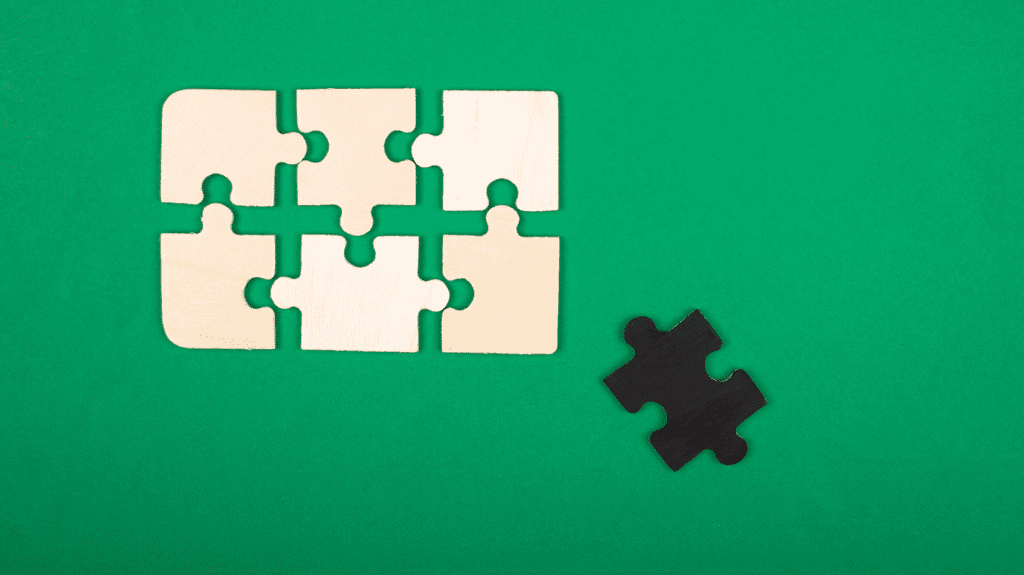
Most people don’t grow up knowing they’re “the different one.” You just know something feels off. You sense tension other people pretend not to notice. You ask questions that land wrong. You feel things deeply in rooms that reward emotional silence. And slowly, quietly, you start adjusting yourself to survive the gap.
Being the different one usually doesn’t come from rebellion. It comes from awareness. From noticing patterns. From refusing to fully numb out just because it would make things easier. And early on, the cost looks small. You learn to edit yourself. You learn to read the room faster than everyone else. You learn that harmony often matters more than honesty.
But those small edits add up.
The Emotional Labor No One Sees (But You Feel Constantly)
One of the biggest costs of being the different one is the invisible emotional labor you carry. You’re tracking everyone’s moods. You’re managing tension before it escalates. You’re translating what can’t be said into what’s socially acceptable. And you’re doing it automatically, without applause or acknowledgment.
This kind of labor doesn’t feel heroic. It feels exhausting. It shows up as anxiety, irritability, chronic overthinking, and that deep bone-level tiredness that doesn’t go away with sleep. You’re not “too sensitive.” You’re perceptive in environments that reward emotional avoidance.
And when you finally stop doing this labor? That’s usually when the pushback starts.
Being the Different One Makes You the Problem… Eventually
Here’s the part people don’t like to admit: systems protect themselves. Families, workplaces, friend groups… they all have an unspoken goal of staying familiar, even if familiar is unhealthy. When you’re the one who starts naming what’s not working, you disrupt that comfort.
So instead of the system changing, you get labeled.
Too intense.
Too emotional.
Too rigid.
Too much.
Too sensitive.
It’s easier to pathologize the person pointing at the crack than to repair the foundation. And over time, you internalize that message. You start wondering if you really are the problem. You second-guess your reactions. You over-explain. You try to soften truths that deserve to be spoken plainly.
That self-doubt? That’s part of the cost.
What It Costs Your Nervous System
Living as the different one keeps your nervous system on high alert. You’re constantly scanning for safety. You’re watching for subtle shifts in tone or energy. You’re bracing for conflict, even when things seem calm on the surface. This isn’t a mindset issue, it’s conditioning.
When you grow up in environments where honesty creates friction, your body learns to stay vigilant. Calm doesn’t feel relaxing. It feels suspicious. Rest feels undeserved. Slowing down feels like you’re about to drop the ball, disappoint someone, or get in trouble.
Over time, this shows up as:
- Anxiety that doesn’t respond to logic
- Emotional shutdown after social interaction
- Chronic tension or fatigue
- A sense of being “on edge” for no clear reason
That’s not weakness. That’s adaptation.
The Relationship Cost No One Warns You About
Being the different one often means outgrowing people before you’re ready to admit it. As you become clearer, more honest, and less willing to self-abandon, certain relationships start to strain. Not because you’re doing anything wrong, but because the old dynamic relied on you staying small, flexible, or quiet.
This is where the grief hits.
You realize some people loved your availability more than your authenticity. You see how often connection was maintained at your expense. And you feel torn between wanting closeness and needing integrity. That tension is brutal.
You may notice:
- Conversations feeling forced or shallow
- Guilt when you assert boundaries
- A pull to “go back to how it was” even when it hurt
This isn’t you failing at relationships. This is growth demanding recalibration.

The Cost of Being Misunderstood (Over and Over Again)
Another price you pay as the different one is being consistently misread. Your boundaries get interpreted as rejection. Your honesty gets framed as aggression. Your need for space gets labeled as withdrawal. And eventually, you get tired of correcting the narrative.
There’s a particular kind of loneliness that comes from being seen incorrectly and realizing no amount of explaining will fix it. You start choosing silence not because you have nothing to say, but because you’re done defending your reality.
And here’s the truth most people won’t tell you: not everyone wants to understand you. Some people benefit too much from the version of you that didn’t push back.
The Anger That Comes With Clarity
Let’s talk about anger, because it shows up here whether people admit it or not. When you realize how much you’ve carried, how often you minimized yourself, how deeply you were conditioned to prioritize others, you’re going to feel angry.
That anger doesn’t make you unhealed. It makes you honest.
Anger is what shows up when boundaries were crossed too many times without language or protection. It’s what surfaces when self-trust begins to rebuild. And no, you don’t need to “get rid of it” as quickly as possible. You need to understand it.
Suppressed anger turns inward. Integrated anger creates change.
What It Costs to Finally Choose Yourself
Choosing yourself as the different one isn’t dramatic, but it is disruptive. It costs you access. It costs you proximity. It costs you being seen as “easy.” And sometimes, it costs you relationships you thought would grow with you.
But it also gives you something back.
It gives you your energy.
Your clarity.
Your nervous system.
Your integrity.
You stop negotiating your needs. You stop over-explaining your boundaries. You stop chasing understanding from people committed to misunderstanding you. And slowly, you begin building a life that doesn’t require constant self-editing.
That trade is worth it. Even when it hurts.
The Cost Is Real, But So Is the Relief
Here’s the part that doesn’t get said enough: being the different one is hard, but pretending you’re not is harder. The exhaustion of self-betrayal eventually outweighs the discomfort of change. And while choosing yourself can feel lonely at first, it also brings relief.
Relief from pretending.
Relief from managing everyone else’s emotions.
Relief from living on edge.
You weren’t meant to carry all of this alone. And you’re not broken for finally setting it down.
If You’re the Different One, This Is Your Reminder
You didn’t imagine it.
You didn’t overreact.
You didn’t become “too much.”
You noticed what others avoided. You adapted when you shouldn’t have had to. And now, you’re allowed to choose something different, even if it disappoints people who benefited from your silence.The cost was never your fault.
And you don’t have to keep paying it.
If this blog hit close to home and you’re ready to stop carrying it alone, we offer individual therapy and consultations for women navigating trauma, anxiety, and the feeling of being the black sheep. You don’t have to do this quietly anymore. Schedule your consultation today.